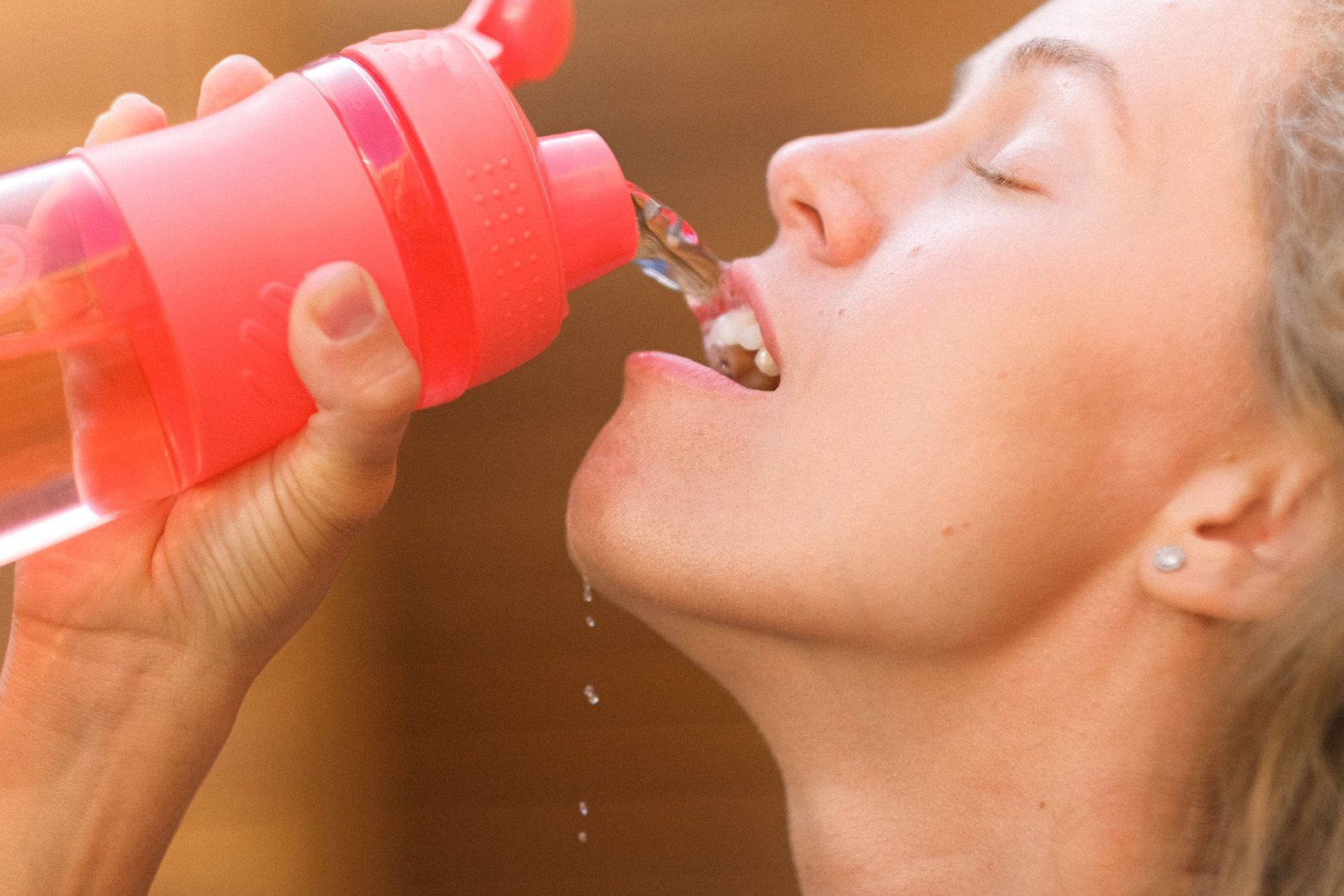
"Drink eight glasses of water a day" is one of the most repeated pieces of health advice — and also one of the most misunderstood. The rule is easy to remember, but it is not a universal truth. Your actual water needs depend on your body, climate, activity level and diet.
Where the 8-glass rule came from
The guideline likely originated from a 1945 recommendation by the US Food and Nutrition Board, which suggested 2.5 litres of water per day for adults. What people forget is the very next sentence: "Most of this quantity is contained in prepared foods." In other words, the board was describing total water intake, not eight separate glasses to drink.
What modern guidance says
The Indian Council of Medical Research (ICMR) and most national health bodies now recommend a daily fluid intake of roughly:
- 2.5 to 3.5 litres for men
- 2.0 to 3.0 litres for women
This includes water from all sources — plain water, beverages like tea and coffee, and the water naturally present in fruits, vegetables and cooked food. Roughly 20% of your daily water comes from food alone.
Factors that change your needs
- Climate: hot and humid weather increases water loss through sweat. In an Indian summer, you may need a litre or more above your usual intake.
- Activity: exercise, sports and physical labour raise your requirement. Drink before, during and after activity.
- Health conditions: fever, diarrhoea and urinary infections increase fluid needs. Kidney or heart conditions may require limits — follow your doctor's advice.
- Pregnancy and breastfeeding: both increase requirements.
A practical way to tell if you are hydrated
Thirst is a reliable signal for most healthy adults — if you feel thirsty, drink. A simpler check is the colour of your urine: pale straw or light yellow means you are well hydrated; dark yellow suggests you need more fluids. You do not need expensive tracking apps or a strict schedule.
Can you drink too much water?
Yes. Drinking very large amounts in a short time can cause hyponatremia, a dangerous drop in blood sodium. This is rare in healthy adults but can happen during endurance events. Spread your intake across the day rather than gulping litres at once.
The takeaway: the eight-glass rule is a reasonable starting point, not a law. Drink when thirsty, eat water-rich foods, drink a little extra in heat and during exercise, and let thirst and urine colour guide the rest.